Nikhil Prasad Fact checked by:Thailand Medical News Team Jan 22, 2026 8 months, 3 weeks, 9 hours, 28 minutes ago
Medical News: Rapamycin Shows New Promise in Protecting the Aging Immune System
A new international study has uncovered a previously unknown way in which rapamycin, a drug long linked to lifespan extension, helps protect the human immune system as it ages. Scientists have now shown that rapamycin directly reduces DNA damage in immune cells, helping them survive stress and function better over time. This
Medical News report highlights findings that could reshape how ageing, immunity, and long-term health are approached.
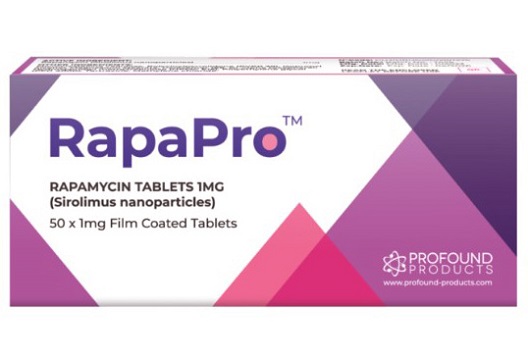 New research shows rapamycin can protect aging immune cells by directly reducing DNA damage and improving cell survival.
Researchers and Institutions Involved
New research shows rapamycin can protect aging immune cells by directly reducing DNA damage and improving cell survival.
Researchers and Institutions Involved
The study was conducted by scientists from the Department of Biochemistry at the University of Oxford, the Botnar Institute for Musculoskeletal Sciences at the University of Oxford, the Kennedy Institute of Rheumatology at the University of Oxford, the MRC Versus Arthritis Centre for Musculoskeletal Ageing Research at the University of Nottingham, Loughborough University, the Centre for Human Genetics at the University of Oxford, Ritsumeikan University in Japan, and the Max Delbrück Center for Molecular Medicine in Berlin, Germany.
Why Immune Ageing Matters
As people grow older, their immune systems gradually weaken, a process known as immunosenescence. This makes older adults more vulnerable to infections, poorer vaccine responses, and chronic inflammation. One major driver of this decline is the accumulation of DNA damage in immune cells, especially T cells, which are crucial for fighting viruses and cancers. Until now, it was unclear whether rapamycin could directly protect DNA itself.
What the Scientists Discovered
Using human immune cells in the laboratory, researchers exposed T cells to substances that cause DNA damage. They found that low doses of rapamycin sharply reduced markers of DNA injury and cellular stress. Importantly, this protection did not come from slowing cell growth, blocking protein production, or increasing cellular recycling processes such as autophagy. Instead, rapamycin actually lowered the amount of physical damage to DNA strands.
Further experiments showed that immune cells treated with rapamycin were far more likely to survive after DNA damage. In untreated cells, severe DNA injury caused widespread cell death within 24 hours. With rapamycin, more than three times as many immune cells remained alive, indicating stronger resilience at the genetic level.
Evidence From Older Humans
The researchers also examined immune cells from healthy older adults. These cells showed high levels of DNA damage, ageing markers, and overactivation of a growth pathway called mTOR. In a small clinical study, older volunteers were given a low daily dose of rapamycin for four months. Their immune cells showed significantly lower levels of p21, a key marker of DNA damage–driven cellular ageing, compared to those given a placebo. Crucially, this dose did not suppress overall
immunity.
Why These Findings Are Important
This study reveals that rapamycin acts as a “genoprotective” agent, meaning it helps shield DNA from damage. By preserving genome stability in immune cells, rapamycin may slow immune ageing itself. These findings could have implications not only for healthy ageing, but also for people exposed to radiation, cancer therapies, or even cosmic radiation during space travel.
Conclusion
The discovery that rapamycin directly protects immune cell DNA represents a major advance in ageing research. By reducing genetic damage rather than merely masking its effects, rapamycin may target one of the root causes of immune decline. While larger human trials are still needed, this work opens the door to new strategies aimed at extending healthspan, strengthening immunity in older adults, and reducing age-related disease burden in a safe and targeted way.
The study findings were published in the peer reviewed journal: Aging Cell.
https://onlinelibrary.wiley.com/doi/10.1111/acel.70364
For the latest on anti-aging, keep on logging to Thailand
Medical News.
Read Also:
https://www.thailandmedical.news/articles/anti-aging




 Share
Share
 Tweet
Tweet
 Share
Share