Nikhil Prasad Fact checked by:Thailand Medical News Team Jan 19, 2026 8 months, 2 weeks, 2 days, 9 hours, 35 minutes ago
Medical News: Pulmonary fibrosis, a condition marked by permanent lung scarring, has emerged as one of the most worrying long-term complications among survivors of moderate to severe COVID-19 pneumonia and even of mild or asymptomatic exposures. A new study now suggests that an inexpensive and widely used anti-inflammatory drug may significantly reduce this risk and improve recovery outcomes.
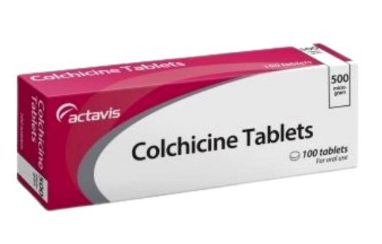 Early colchicine treatment may reduce long term lung damage in severe COVID survivors
Background And Purpose of The Study
Early colchicine treatment may reduce long term lung damage in severe COVID survivors
Background And Purpose of The Study
Researchers set out to examine whether colchicine, a drug commonly prescribed for gout and inflammatory conditions, could help prevent or reduce post COVID-19 pulmonary fibrosis. The research was conducted by scientists from the Pulmonology Department and the Department of Thoracic Surgery at Şişli Hamidiye Etfal Training and Research Hospital, University of Health Sciences Turkey, Istanbul. This
Medical News report focuses on a 15 month follow up analysis of patients who had been hospitalized with moderate to severe COVID-19 pneumonia.
How The Study Was Conducted
The investigation began with a review of 1,489 hospitalized COVID-19 patients. From this group, 155 individuals met strict inclusion criteria and were followed for 15 months after discharge. Ninety patients received colchicine alongside standard COVID-19 care, while 65 patients received standard treatment alone. Chest CT scans were used at admission and again after 15 months to assess lung damage and fibrosis severity using a five-stage classification system.
Key Findings from Imaging and Symptoms
Results showed a clear difference between the two groups. Patients treated with colchicine experienced a significantly greater reduction in abnormal lung findings on CT scans compared to those who did not receive the drug. More than 65 percent of colchicine treated patients showed resolution of lung abnormalities, compared to just over 35 percent in the control group.
Importantly, many patients who initially had advanced lung scarring improved to milder stages over time when treated with colchicine. Even among those with severe fibrosis at the start, the drug appeared to slow or halt disease progression.
Symptom improvement, including reduced breathlessness and better daily functioning, was also far more common in the colchicine group.
Why Colchicine May Help the Lungs Heal
Colchicine works by calming excessive immune responses. In severe COVID-19, overactive immune cells release inflammatory substances that damage lung tissue and trigger scarring. The drug suppresses these pathways, reduces harmful cytokines, limits clot formation in small blood vessels, and interferes with fibrotic processes at the cellular level. These combined effects likely explain the improved imaging and clinical outcomes seen in the study.
Study Limitations and Clinical Implications
The researchers acknowledged limitations, including the retrospective nature o
f part of the study and difficulties contacting all eligible patients. However, the long follow up period and consistent imaging assessments strengthen the findings. The results suggest colchicine may be especially useful for patients showing high inflammatory markers during acute COVID-19 illness.
Conclusion
Overall, the study provides encouraging evidence that colchicine could play a meaningful role in protecting the lungs after severe COVID-19 pneumonia. By reducing inflammation and limiting long term scarring, the drug may help many survivors regain better lung function and quality of life. While further large-scale clinical trials are needed, clinicians may increasingly consider colchicine as an add on therapy to reduce the burden of post COVID pulmonary fibrosis.
The study findings were published in the peer reviewed Canadian Respiratory Journal.
https://onlinelibrary.wiley.com/doi/10.1155/carj/9923052
For the latest COVID-19 news, keep on logging to Thailand
Medical News.
Read Also:
https://www.thailandmedical.news/articles/coronavirus
https://www.thailandmedical.news/articles/long-covid




 Share
Share
 Tweet
Tweet
 Share
Share

































