Nikhil Prasad Fact checked by:Thailand Medical News Team Jan 18, 2026 8 months, 3 weeks, 5 days, 7 hours, 55 minutes ago
Medical News: A new study from Ghana has revealed that COVID-19 infection does far more than attack the lungs, with strong evidence showing that the virus significantly disrupts blood health in adults, especially in resource limited settings where advanced testing is not always available. The findings help explain why some patients worsen rapidly and underline the importance of simple blood tests during COVID-19 care.
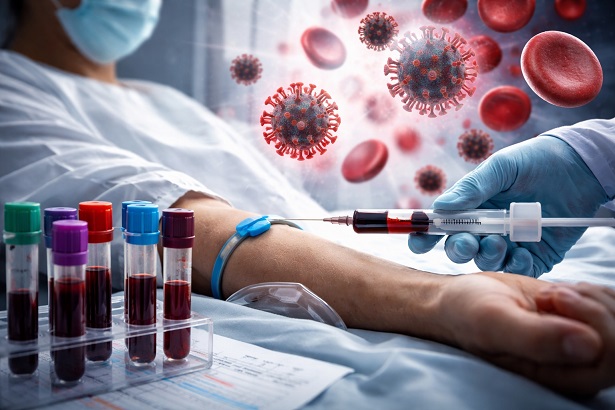 COVID-19 infection causes hidden but serious blood damage in adults
Who Conducted The Study And Where
COVID-19 infection causes hidden but serious blood damage in adults
Who Conducted The Study And Where
The research was carried out by scientists from the Department of Hematology at the School of Allied Health Sciences, University for Development Studies in Tamale, Ghana, together with experts from the Department of Medical Laboratory Technology at Sunyani Technical University in Sunyani, Ghana. The study was conducted at Sunyani Teaching Hospital, a major referral center, and involved 169 adults with confirmed COVID infection.
Understanding The Aim of The Research
The researchers wanted to understand how COVID-19 affects blood cells in real world hospital conditions. Blood cells are essential for carrying oxygen, fighting infections, and preventing bleeding. When these cells are damaged or reduced, patients can become weak, breathless, or more vulnerable to severe illness.
Key Blood Abnormalities Found
The results were striking. Over sixty percent of patients were found to have anemia, meaning their blood could not carry oxygen efficiently. Many had moderate to severe anemia, which can worsen fatigue and breathlessness. The most common type was normocytic normochromic anemia, often linked to inflammation, while a large number also showed macrocytic anemia, suggesting deeper disruptions in blood production.
Low platelet levels, known as thrombocytopenia, were seen in more than half of the patients. Platelets help stop bleeding, and their reduction increases the risk of bruising and internal bleeding. Some patients also showed abnormal platelet size, indicating stress on the bone marrow.
White blood cells, which protect the body from infection, were also affected. Around one fifth had very low counts, while others had unusually high levels, reflecting an overactive immune response. Neutropenia and lymphocytosis were common, showing that COVID-19 can confuse and strain the immune system in different ways.
Why Severity Matters
Patients with severe COVID-19 were older and showed much worse blood abnormalities. They had lower oxygen levels, lower red blood cell counts, and much higher inflammation markers. Simple blood measurements such as total white cell count, neutrophil count, and lymphocyte count were able to predict severe disease quite accurately, highlighting their value in early warning.
Implications For Low Resource Settings
This
Medical News report emphasizes that routine blood tests, which are affordable and widely available, can play a critical role in identifyin
g high risk patients early. In areas where advanced scans and expensive tests are limited, these findings provide a practical roadmap for improving COVID-19 care.
Conclusions
The study clearly shows that COVID-19 infection is closely linked to serious and widespread blood abnormalities that directly influence disease severity and outcomes. Anemia, low platelets, and immune cell disruptions are common and often severe. Regular blood monitoring can help clinicians detect deterioration early, guide treatment decisions, and potentially save lives, especially in under resourced healthcare systems.
The study findings were published in the peer reviewed journal: Immunity Inflammation and Disease.
https://onlinelibrary.wiley.com/doi/10.1002/iid3.70322
For the latest COVID-19 News, keep on logging to Thailand
Medical News.
Read Also:
https://www.thailandmedical.news/articles/coronavirus
https://www.thailandmedical.news/articles/long-covid




 Share
Share
 Tweet
Tweet
 Share
Share