Nikhil Prasad Fact checked by:Thailand Medical News Team Jan 17, 2026 8 months, 3 weeks, 6 days, 11 hours, 17 minutes ago
Medical News: Edible Flowers Deliver a Stunning Medical Twist
In a remarkable scientific effort spanning Spain’s leading universities, researchers have discovered that the delicate petals of Rosa x hybrida could offer unexpected support in the fight against one of the most dangerous breast cancers known to modern medicine. Teams from the University of Granada, the University of Castilla La Mancha, the University of Almería, and the Complutense University of Madrid worked together to explore how these edible flowers behave when tested against aggressive tumor cells, uncovering a story with serious implications for food science and cancer therapy.
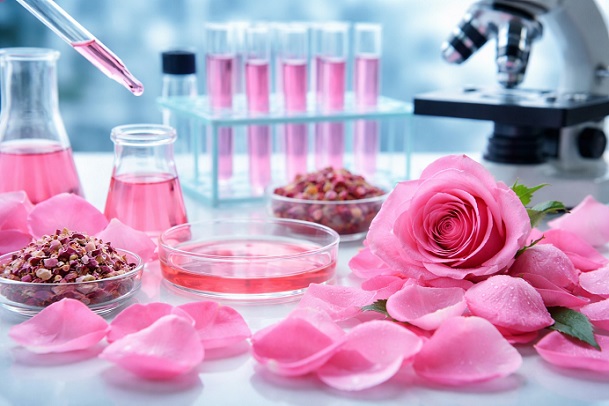 Rose petals show hidden chemical strength that slows aggressive breast cancer cell growth
What Makes Rose Petals Special
Rose petals show hidden chemical strength that slows aggressive breast cancer cell growth
What Makes Rose Petals Special
The study examined fresh petals and used advanced laboratory technology to identify their chemical makeup. Scientists found more than thirty naturally occurring phytochemical compounds. These belonged to seven major groups including flavonoids, phenolic acids, vitamins, amino acids, organic acids, sugars and other trace plant molecules.
Among all of these, two compounds stood out: quercetin and kaempferol. These flavonoids are widely studied for their disease-fighting abilities. They have strong antioxidant activity and can interfere with cancer cell growth, inflammation and even the energy systems tumors depend on. The detailed analysis revealed that rose petals hold a treasure chest of these active ingredients, especially when extracted using methanol.
Toughest Cancer Targeted
The scientists then tested a concentrated flower extract on triple negative breast cancer or TNBC. This form of breast cancer does not respond to hormone therapies and lacks the cellular targets needed for some of the most successful modern treatments. It spreads quickly, resists many medicines and often returns after treatment. TNBC affects thousands of women worldwide every year and survival rates remain lower than for other types of breast cancer.
When TNBC cells were exposed to rose petal extract over three days, their ability to grow and survive dropped sharply. One cancer cell line saw its metabolic activity fall by about seventy percent even at moderate extract concentrations.
Equally important, the same treatment did not harm normal breast epithelial cells, meaning the flower extract appears to strike cancer while sparing healthy tissue. This is a major requirement for any safe food-based or medicinal approach.
How the Extract Breaks Tumors Down
Detailed testing showed that the petals pushed cancer cells into apoptosis, the body’s built-in programmed cell death system that tumors try to evade. Researchers detected more early apoptotic cells, increased levels of caspase-3 activity and a build-up of cells in the G0/G1 resting stage where they no longer multiply.
Another striking result was the surge of reactive oxygen species, unstable oxygen molecules created by the extract that overwhelm cancer cells from within. Over longer exposure, the extract also triggered autophagy, a separate self-destruct process where tumor cell
s begin to digest their own damaged components.
Beyond killing cells, Rosa x hybrida extract also reduced the ability of TNBC cells to migrate in a wound-healing assay and blocked the formation of new cell colonies, two hallmarks of an aggressive cancer’s spread.
A New Direction for Functional Food
This
Medical News report highlights how rose petals may have a future far beyond decoration or culinary novelty. With strong anti-tumor activity, lack of toxicity and chemical richness, Rosa x hybrida could become a key ingredient in nutraceuticals, functional food products and possibly dietary support strategies alongside clinical cancer care. While more research and animal studies are needed before patients benefit directly, this discovery could mark the beginning of a new chapter in how natural foods are used to support health.
These findings demonstrate that simple edible flowers may hide complex medical potential just waiting to be unlocked.
The study findings were published in the peer reviewed International Journal of Molecular Sciences.
https://www.mdpi.com/1422-0067/27/2/907
For the latest breast cancer research, keep on logging to Thailand
Medical News.
Read Also:
https://www.thailandmedical.news/articles/cancer
https://www.thailandmedical.news/articles/herbs-and-phytochemicals




 Share
Share
 Tweet
Tweet
 Share
Share