Nikhil Prasad Fact checked by:Thailand Medical News Team Dec 01, 2025 10 months, 1 week, 4 days, 23 hours, 46 minutes ago
Medical News: Understanding a powerful set of genes
A new scientific review from researchers at Chongqing University Fuling Hospital and Chongqing University in China is offering fresh insight into a little-known but powerful family of genes called NSUN. These genes play a major role in controlling how cells behave by adding a tiny chemical marker, called m5C methylation, onto RNA. Although this may sound highly technical, this
Medical News report highlights that these small chemical changes can influence the development of cancer, inflammation, metabolism disorders, and even how our immune system responds to viruses.
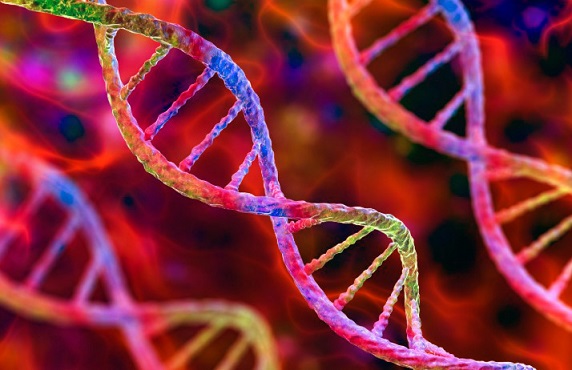 New research reveals how NSUN family genes reshape RNA activity & influence cancer & inflammatory diseases
Why NSUN genes matter
New research reveals how NSUN family genes reshape RNA activity & influence cancer & inflammatory diseases
Why NSUN genes matter
The NSUN (NOL1/NOP2/SUN domain) gene family includes seven members, each with its own specialty. They add methylation marks to different types of RNA, shaping how cells grow, divide, repair damage, and fight disease. When these genes become overactive or underactive, the body’s internal balance can shift dramatically. The researchers explain that NSUN1, NSUN2, NSUN3, NSUN4, NSUN5, NSUN6, and NSUN7 regulate critical processes such as RNA stability, protein production, inflammation control, mitochondrial function, and tumor formation.
Key findings from the study
NSUN1 helps promote cell proliferation and is heavily involved in cancers such as lung, liver, colon, and kidney cancer. NSUN2, the most studied family member, plays a strong role in cancer progression by stabilizing cancer-promoting molecules, enhancing metabolism in tumor cells, and increasing resistance to chemotherapy. It also plays a part in brain injury, liver inflammation, traumatic brain injury, and viral infections.
The review highlights that NSUN3 influences immune responses and worsens inflammatory diseases like sepsis-related lung and kidney injury. NSUN4 and NSUN5 also contribute to cancer progression through RNA modifications that increase tumor growth and spread. NSUN6, however, behaves differently in some cancers—it can suppress tumor cell growth in liver and pancreatic cancer but encourage growth in colon cancer. NSUN7 is tied to ovarian disease, liver cancer, and immune cell behavior and may serve as a potential biomarker.
Across many cancers—including lung, gastric, colorectal, liver, prostate, cervical, bladder, and blood cancers—the NSUN genes become highly active, helping tumors grow faster, spread more easily, and survive treatments. The study suggests that blocking certain NSUN genes could make cancer cells more sensitive to chemotherapy, reduce immune evasion, or limit dangerous metabolic changes.
What this means for future medicine
The review emphasizes that NSUN genes could become important diagnostic markers detected through blood tests or tissue analysis. They may also become new therapeutic targets, enabling doctors to design drugs that block harmful methylation patterns. The findings further suggest that NSUN-related RNA methylat
ion may help explain why some patients respond poorly to current cancer treatments or develop severe inflammatory complications.
Conclusion
This research shows that the NSUN gene family controls many fundamental processes inside the human body, from metabolism and inflammation to tumor growth and immune defense. When these genes malfunction, they can contribute to severe diseases ranging from cancers to inflammatory disorders.
Understanding how each NSUN gene works opens the door to more accurate diagnostic tools and innovative treatments targeting the root molecular changes. As scientists continue exploring RNA methylation, therapies that modulate NSUN activity could become a major step forward in personalized medicine and early disease detection.
The study findings were published in the peer reviewed journal: Biomedicines.
https://www.mdpi.com/2227-9059/13/12/2951
For the latest on NSUN genes, keep on logging to Thailand
Medical News.
Read Also:
https://www.thailandmedical.news/articles/genomics-and-epigenetics




 Share
Share
 Tweet
Tweet
 Share
Share