Study Finds That Hyperactivated JAK/STAT3 Pathway Behind Prostate Cancer and That Flavonoids Can Inhibit This Pathway
Nikhil Prasad Fact checked by:Thailand Medical News Team Jan 16, 2026 8 months, 3 weeks, 2 days, 11 hours, 51 minutes ago
Medical News: Prostate cancer continues to rank among the most common cancers affecting men worldwide, and researchers warn that the disease is set to surge even higher in the coming decades. A team of scientists from Carol Davila University of Medicine and Pharmacy, Dr. Carol Davila Central Military Emergency University Hospital, University Hospital of Bucharest, and the Romanian Academy has mapped out a new biological culprit behind prostate cancer growth—and spotlighted natural compounds that might help stop it. Their findings form the basis of this
Medical News report, aimed at explaining the science in a clear, community-friendly manner.
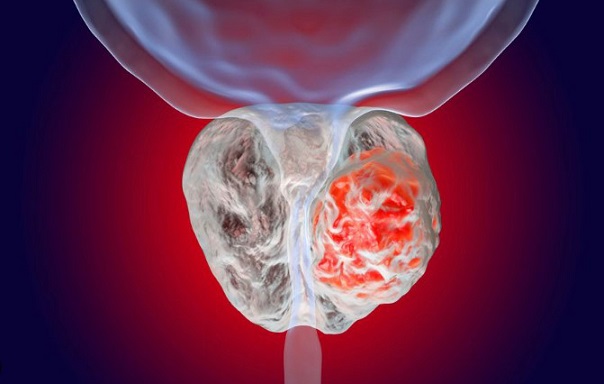 Researchers link prostate cancer progression to overstimulated JAK/STAT3 signaling—and identify flavonoids
that may switch it off
A Faulty Pathway That Fuels Tumors
Inside every cell lies an elaborate communication system that tells the cell when to grow, divide, or self-destruct. One important signaling arm is called the JAK/STAT3 pathway. Under normal conditions, the pathway is switched on briefly whenever the body needs to fight infection, repair tissue, or regulate growth.
The new analysis found that in many prostate cancer cases, this pathway becomes hyperactivated—essentially stuck in the “on” position. Cytokines such as interleukin-6 (IL-6) and hormonal signals stimulate JAK proteins, which in turn activate STAT3. When overstimulated, STAT3 moves into the cell nucleus and switches on cancer-friendly genes that:
• protect tumor cells from dying,
• accelerate cell multiplication,
• encourage blood vessel formation feeding tumors, and
• help cancer spread to bones and other organs.
Markedly, the research team reports that enlarged STAT3 activity was strongly linked to more aggressive tumor grades, hormone-resistant disease, and higher chances of metastasis.
Why the Pathway Goes Rogue
The Romanian-led review highlights several triggers behind JAK/STAT3 overactivity. Chronic inflammation—whether driven by obesity, environmental pollutants, inherited risk, or sexually transmitted infections—appears to play a key role.
Immune cells infiltrating the prostate churn out inflammatory chemicals like IL-6, maintaining a microenvironment that encourages the tumor to flourish. Even after patients undergo hormone-blocking treatment, STAT3 remains active, giving the cancer a way to bypass therapy.
The research team also stresses that once the pathway becomes entrenched in cancer cells, it can block immune responses, helping tumors hide from the body’s natural defenses.
Nature Steps In: The Promise of Flavonoids
Perhaps the most exciting portion of the study is the wide panel of flavon
oids—natural plant compounds—that demonstrated an ability to interfere with the JAK/STAT3 pathway.
Flavonoids are commonly found in fruits, vegetables, tea, nuts, herbs, grapes, and citrus. Researchers from multiple Romanian institutions reviewed dozens of laboratory studies that tested flavonoids directly on prostate cancer cells.
Key findings include:
• Quercetin, Kaempferol, and Fisetin – block STAT3 activity, slow cell growth, and trigger apoptosis.
• Apigenin and Luteolin – reduce inflammatory signals like IL-6 and weaken pro-tumor signaling.
• Genistein and Daidzein (Isoflavones) – interfere with androgen receptors and suppress IL-6-driven tumor survival.
• Green tea catechins and Cyanidin compounds – cut cancer cell growth and appear to reduce STAT3 activation.
• Flavanones such as Silibinin and Hesperidin – shrink tumors in cell culture and limit STAT3-related genes.
In many experiments, these compounds not only stopped cancer cells from multiplying but also re-sensitized tumors to chemotherapy and hormone treatments.
A Pathway to Future Treatments
Although these results are promising, the authors caution that most findings come from laboratory or animal models. One of the biggest challenges is that flavonoids usually break down quickly in the body. Researchers are now testing nanoparticle delivery systems to protect these plant extracts and deliver them precisely to tumor sites.
Still, the review stresses that dietary flavonoids may already offer some benefit and could play a supporting role in prostate cancer prevention, particularly in aging populations.
Conclusion
The expanding body of work from Carol Davila University of Medicine and Pharmacy and collaborating hospitals reveals a powerful insight: prostate cancer is tightly linked to chronic inflammation and persistent overactivation of the JAK/STAT3 pathway. This process fuels tumor growth, drives treatment resistance, and creates escape routes for cancer cells to spread. Yet, the parallel discovery that widely available dietary flavonoids can block or interrupt this same pathway offers a hopeful avenue for both prevention and treatment innovation.
Though more clinical trials are urgently needed, the research underscores that natural compounds found in everyday foods could help weaken cancer’s biological machinery and potentially improve long-term outcomes. For the many men facing prostate cancer globally, this emerging approach signals a future where treatment may be more effective, more personalized, and possibly less toxic.
The study findings were published in the peer reviewed International Journal of Molecular Sciences.
https://www.mdpi.com/1422-0067/27/2/885
For the latest on Prostate Cancer, keep on logging to Thailand
Medical News.
Read Also:
https://www.thailandmedical.news/articles/cancer
https://www.thailandmedical.news/articles/herbs-and-phytochemicals




 Share
Share
 Tweet
Tweet
 Share
Share