Lidocaine Surprisingly Emerges as a Powerful Immune Booster with Immunomodulatory Properties
Nikhil Prasad Fact checked by:Thailand Medical News Team Jan 13, 2026 9 months, 2 days, 2 hours, 44 minutes ago
Medical News: Lidocaine, long trusted by dentists and surgeons to numb pain in seconds, is suddenly drawing global scientific attention for a very different reason. A fresh scientific review now shows that this familiar anesthetic also works as a powerful immune-modulating compound — dampening dangerous inflammation in some diseases while boosting anti-tumor defenses in others.
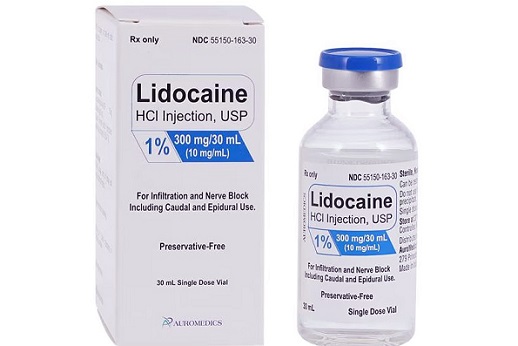 Common anesthetic lidocaine is now emerging as a surprising immune-modulating therapy.
This
Medical News report examines why lidocaine may soon be used for far more than local anesthesia.
The comprehensive analysis was jointly conducted by researchers from The Second Affiliated Hospital of Guangzhou University of Chinese Medicine-China, Guangzhou Medical University-China and the University of Leicester-United Kingdom.
Beyond Pain Relief into Immune Control
Lidocaine was first approved in the 1940s and rapidly became a standard numbing drug thanks to its fast onset and dependable safety profile. However, this new work reveals that lidocaine interacts with a surprisingly wide range of immune cells.
The review details how it influences innate immune cells such as neutrophils, eosinophils, macrophages, mast cells, and dendritic cells, as well as adaptive immune cells including T lymphocytes and natural killer cells.
In inflammatory settings, lidocaine generally tones down harmful overreactions by lowering inflammatory chemicals and slowing cellular overactivity.
In cancer settings, the same compound may take on the opposite role by helping immune cells attack tumors more aggressively.
Where Lidocaine May Change Treatment
The review highlighted several areas where the drug may already show meaningful clinical promise:
• Cancer and surgery: Lidocaine used during operations appeared to preserve immune strength when patients are most vulnerable, reduce cancer-supporting structures known as NETs, and enhance activity of natural killer cells and CD8+ T cells.
• Sepsis and acute lung injury: By blocking inflammatory pathways, lidocaine reduced lung damage, suppressed toxic cascades, and limited clot-forming activity in blood vessels.
• Asthma: Nebulized lidocaine lowered airway inflammation, reduced eosinophil levels, improved breathing scores, and enabled steroid-dependent patients to reduce medication.
• Intestinal inflammation and diabetes: The drug restored immune balance in the gut and improved the clearing ability of liver immune cells impaired by diabetes.
Why Lidocaine May Be a “Sleeper Drug”
Unlike new biologic therapies, lidocaine is cheap, widely stocked, and already considered safe when used correctly. The review notes that many of its immune effects occur at normal therapeutic concentrations, which means hospi
tals may be able to explore new uses without reinventing the drug.
Conclusion
Once regarded only as a numbing agent, lidocaine now appears to be a potent immune-active drug with a dual personality: suppressing inflammation where the immune system is overactive while strengthening immune attacks where response is weak, such as in tumors. This versatility — spanning neutrophils, macrophages, T cells, NK cells, and complex signaling systems like NF-κB, TLR4, and HIF-1α — positions lidocaine as a rare and promising therapeutic candidate. With further clinical trials, the drug could become a valuable, low-cost addition to treatment strategies for cancer, asthma, sepsis, and chronic inflammatory disorders.
The study findings were published in the peer reviewed journal: Pharmaceuticals.
https://www.mdpi.com/1424-8247/19/1/134
For the latest on lidocaine, keep on logging to Thailand
Medical News.
Read Also:
https://www.thailandmedical.news/articles/med-news




 Share
Share
 Tweet
Tweet
 Share
Share