Source: Thailand Medical News Jan 17, 2020 6 years, 8 months, 2 weeks, 2 days, 7 hours, 20 minutes ago
Tasty
walnuts may not just be a snack, they may also promote good-for-your-
gut bacteria. New research suggests that these "good"
bacteria could be contributing to the
heart-health benefits of
walnuts.
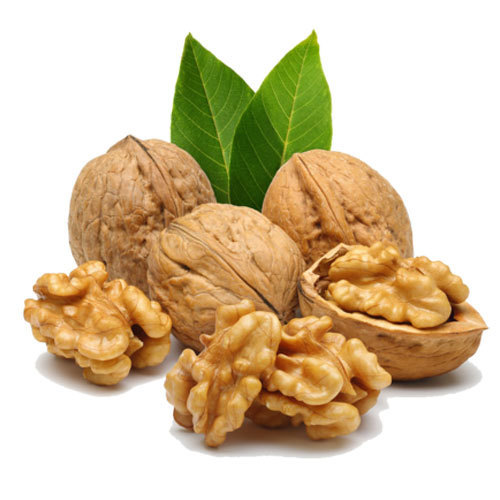
Researchers found in a randomized and controlled trial, that eating
walnuts daily as part of a healthy diet was associated with increases in certain
bacteria that can help promote
health. Additionally, those changes in
gut bacteria were associated with improvements in some risk factors for
heart disease.
Dr Kristina Petersen, Assistant Research Professor at Penn State, said the study that was recently published in the
Journal of Nutrition, suggests
walnuts may be a
heart and
gut healthy snack.
Dr Petersen told
Thailand Medical News, "Replacing your usual snack especially if it's an unhealthy snack with
walnuts is a small change you can make to improve your diet. Substantial evidence shows that small improvements in diet greatly benefit
health. Eating two to three ounces of
walnuts a day as part of a
healthy diet could be a good way to improve
gut health and reduce the risk of
heart disease."
Past research has shown that
walnuts, when combined with a diet low in saturated fats, may have
heart-healthy benefits. For example, previous work demonstrated that eating whole
walnuts daily lowers cholesterol levels and blood pressure.
The team said that other research has found that changes to the
bacteria in the gastrointestinal tract also known as the
gut microbiome may help explain the cardiovascular benefits of
walnuts.
Dr Penny Kris-Etherton, Distinguished Professor of Nutrition at Penn State added, "There's a lot of work being done on
gut health and how it affects overall
health. So, in addition to looking at factors like lipids and lipoproteins, we wanted to look at
gut health. We also wanted to see if changes in
gut health with
walnut consumption were related to improvements in risk factors for
heart disease."
In the study, the researchers recruited 42 participants with overweight or obesity who were between the ages of 30 and 65. Before the study began, participants were placed on an average American diet for two weeks.
Upon completion of this "run-in" diet, the participants were randomly assigned to one of three study diets, all of which included less saturated fat than the run-in diet. The diets included one that incorporated whole walnuts,
one that included the same amount of alpha-linolenic acid (ALA) and polyunsaturated fatty acids without
walnuts, and one that partially substituted oleic acid (another fatty acid) for the same amount of ALA found in
walnuts, without any
walnuts. In all three diets,
walnuts or vegetable oils replaced saturated fat, and all participants followed each diet for six weeks with a break between diet periods.
To study the
bacteria in the gastrointestinal tract, the researchers collected fecal samples 72 hours before the participants finished the run-in diet and each of the three study diet periods.
Dr Petersen added, "The
walnut diet enriched a number of
gut bacteria that have been associated with
health benefits in the past. One of those is Roseburia, which has been associated with protection of the
gut lining. We also saw enrichment in Eubacteria eligens and Butyricicoccus."
The medical researchers also found that after the
walnut diet, there were significant associations between changes in
gut bacteria and risk factors for
heart disease. Eubacterium eligens was inversely associated with changes in several different measures of blood pressure, suggesting that greater numbers of Eubacterium eligens was associated with greater reductions in those risk factors.
Also, greater numbers of Lachnospiraceae were associated with greater reductions in blood pressure, total cholesterol, and non-HDL cholesterol. There were no significant correlations between enriched
bacteria and
heart-disease risk factors after the other two diets.
Dr Regina Lamendella, Associate Professor of Biology at Juniata College, said the findings are an example of how people can feed the
gut microbiome in a positive way.
Dr Lamendella added, "Foods like whole
walnuts provide a diverse array of substrates like fatty acids, fiber and bioactive compounds for our
gut microbiomes to feed on. In turn, this can help generate beneficial metabolites and other products for our bodies."
Dr Kris-Etherton added that future research can continue to investigate how
walnuts affect the
microbiome and other elements of
health.
Dr Kris-Etherton said, "The findings add to what we know about the
health benefits of
walnuts, this time moving toward their effects on
gut health. The study gives us clues that nuts may change
gut health, and now we're interested in expanding that and looking into how it may affect blood sugar levels."
Reference: Alyssa M Tindall et al. Replacing Saturated Fats with Unsaturated Fats from Walnuts or Vegetable Oils Lowers Atherogenic Lipoprotein Classes Without Increasing Lipoprotein(a), The Journal of Nutrition (2019). DOI: 10.1093/jn/nxz313