Nikhil Prasad Fact checked by:Thailand Medical News Team Jan 12, 2026 9 months, 1 day, 19 hours, 45 minutes ago
Medical News: Immune Switch That Ages T-Cells May Worsen Colitis
Scientists from the Department of Gastroenterology and the Clinical Center of Immune-Mediated Digestive Diseases at Peking University People’s Hospital in Beijing-China have uncovered a surprising link between a fat-regulating protein and runaway inflammation inside the gut. Their work shows that when the body loses a key cholesterol-sensing molecule known as LXRβ, protective immune cells called CD4 T-cells age faster and trigger stronger inflammation leading to more severe colitis. This
Medical News report reveals how a basic cholesterol sensor may act as a brake on immune damage tied to inflammatory bowel disease or IBD.
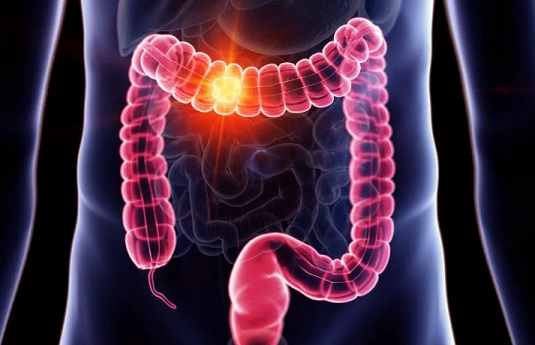 Loss of the LXRβ protein accelerates T-cell aging and triggers more severe colitis
A Missing Protein That Opens the Door to Disease
Loss of the LXRβ protein accelerates T-cell aging and triggers more severe colitis
A Missing Protein That Opens the Door to Disease
Ulcerative colitis and Crohn’s disease are painful long-lasting illnesses marked by diarrhea, bleeding and body-wide fatigue. While the exact causes remain unclear, scientists believe faulty immune reactions in the intestines play a central role.
LXRβ normally helps the body balance fats and reduce inflammation. The team noticed that LXRβ levels were much lower in colon samples from patients with ulcerative colitis and in mouse intestines injured by chemical irritation.
To test how big a role the protein plays, the researchers engineered mice lacking LXRβ. When these animals were exposed to a compound that mimics the intestinal injury seen in human disease the results were dramatic. The knockout mice lost significantly more weight had shorter inflamed colons and showed worsening tissue destruction compared to normal animals.
A Fast-Track to Immune Cell Aging
Digging deeper, the scientists looked at T-cells -- the immune cells most responsible for driving inflammation in the gut lining. They discovered that in mice lacking LXRβ, CD4 T-cells rapidly adopted features of “senescence” -- a biological term for cells that have aged and begun malfunctioning. These aging T-cells produced high levels of damaging inflammatory molecules including IFN-gamma, TNF-alpha and IL-17A and shifted away from youthful naive cells toward aggressive memory and effector cells that can inflame tissues.
Notably these changes appeared both in the gut and throughout the body suggesting that the absence of LXRβ pushes the immune system into early aging mode and causes inflammation to spiral.
Why and How Senescence Takes Over
Analysis of gene activity provided the clearest clue. CD4 T-cells without LXRβ showed strong activation of the cGAS/STING pathway -- a system that detects loose DNA inside cells and triggers inflammation. When this pathway was chemically blocked with a drug called H151, the harmful immune aging process slowed down and diseased mice recovered better. Conversely an LXR-activating drug countered senescence-linked proteins such as p16 p21 and p53, restoring balance.
&a
mp;nbsp;
What It Means Going Forward
The findings suggest that LXRβ serves as a guardian against premature immune wear-and-tear in the intestine. Boosting LXRβ or blocking the cGAS/STING emergency alarm may offer entirely new ways to treat colitis and perhaps other autoimmune illnesses marked by chronic immune activation. While more human research is needed the discovery opens a therapeutic doorway where tuning lipid metabolism may soften the very immune reactions that damage the gut. These insights could also pave the way for therapies that cool down aging immune systems and prevent flare-ups before they start.
The study findings were published in the peer reviewed journal: Biomedicines.
https://www.mdpi.com/2227-9059/14/1/152
For the latest on treating colitis, keep on logging to Thailand
Medical News.
Read Also:
https://www.thailandmedical.news/articles/gastroenterology




 Share
Share
 Tweet
Tweet
 Share
Share