Doctors and Researchers from Thailand Discover That Clove Residue Shows Strong Promise Against Colon Tumors
Nikhil Prasad Fact checked by:Thailand Medical News Team Jan 10, 2026 9 months, 3 days, 15 hours, 38 minutes ago
Thailand Medical News: Hidden Power in Clove Waste Surprises Researchers
A team of doctors and scientists from Chiang Mai University, Thammasat University and Chulalongkorn University has uncovered striking antitumor effects in an unlikely source -- the leftover residue from clove essential oil production. Their work reveals that the ethanolic extract made from this discarded material can significantly slow the growth of colorectal cancer in mice while remaining far safer than standard chemotherapy. This
Medical News report highlights how an overlooked natural substance may one day complement or even strengthen existing cancer treatments.
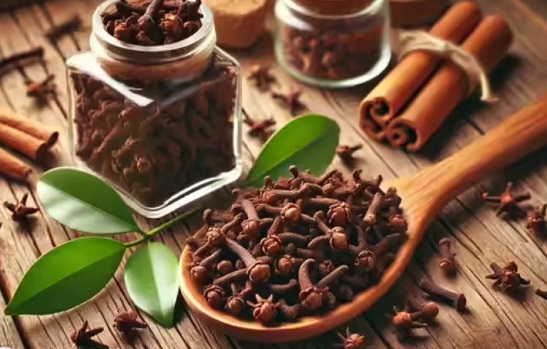 Researchers discover that clove processing waste holds powerful natural antitumor activity.
Why Clove Residue Matters
Researchers discover that clove processing waste holds powerful natural antitumor activity.
Why Clove Residue Matters
Cloves contain powerful natural compounds such as gallic acid and ellagic acid. Although essential oils are typically removed from clove buds for industrial use large amounts of residue remain. Instead of being wasted, the researchers extracted the remaining phenolic compounds using ethanol and found that the resulting material retained strong biological activity. Laboratory analysis confirmed that gallic acid and ellagic acid were present in meaningful quantities with ellagic acid forming nearly 12 percent of the entire extract by weight. These compounds are already known for antitumor and antioxidant effects, making the residue extract a surprisingly rich source of therapeutic molecules.
Strong Cell Killing Ability in Lab Studies
When the extract was tested on human colorectal cancer cells, it steadily reduced cancer cell survival in a clear dose dependent pattern. At higher doses, the cancer cells nearly stopped growing altogether. The extract acted more slowly than traditional chemotherapy but it showed selective toxicity meaning it could destroy cancer cells while causing less harm to healthy cells. In the first 24 hours the selectivity index reached 4.41 which is considered highly favorable.
Tumor Shrinkage in Mice
The researchers then moved to mouse studies using animals implanted with human colorectal cancer cells. They compared the clove residue extract at two doses 500 mg per kg and 1000 mg per kg with the widely used drug 5-fluorouracil. Tumors in untreated mice grew rapidly but those given the clove extract grew far more slowly. The lower dose was surprisingly the most effective, cutting tumor volume sharply by the second week and showing the largest drop in bioluminescent tumor activity by day 21. When tumors were examined after the animals were sacrificed, the treated mice showed significantly smaller tumors with far fewer active cancer cells.
Key Biological Effects Inside Tumors
Detailed tissue analysis uncovered how the extract worked:
-Cell proliferation marker Ki-67 dropped sharply especially in the higher dose group.
The anti-apoptosis protein Bcl-2 was strongly reduced suggesting the tumors lost their ability to resist cell death.
-Tumor blood vessel formation fell with the 500 mg dose showing the strongest anti angiogenic
effect.
-TUNEL assays confirmed high levels of apoptosis indicating the extract triggered widespread cancer cell death.
Safety Profile Appears Superior to Chemotherapy
Standard chemotherapy often causes major organ stress but mice receiving the clove extract maintained stable body weight and largely normal blood counts. Liver and kidney markers remained within normal range and tissue examinations showed no structural damage. In contrast mice treated with 5-fluorouracil showed early signs of blood toxicity and rare brain metastases that were not seen in the clove treated groups.
What the Findings Suggest
The results point to a natural extract that can shrink tumors, reduce their ability to grow new blood vessels and trigger cancer cell death while maintaining a favorable safety margin.
Thailand Doctors and researchers from Chiang Mai University, Thammasat University and Chulalongkorn University believe this extract may eventually serve as a complementary therapy that reduces reliance on or enhances the effectiveness of conventional chemotherapy.
The conclusion of the study emphasizes that more work including clinical testing is needed but the consistent antitumor activity makes the extract a compelling candidate for future cancer treatment strategies. Overall, the findings suggest that a multi compound natural extract can target cancer through several biological pathways at once offering a slower but steadier approach to tumor control with potentially fewer side effects than traditional chemotherapy.
The study findings were published in the peer reviewed journal: Pharmaceutics.
https://www.mdpi.com/1999-4923/18/1/79
For the latest on Herbs and Phytochemicals, keep on logging to Thailand
Medical News.
Read Also:
https://www.thailandmedical.news/articles/cancer
https://www.thailandmedical.news/articles/herbs-and-phytochemicals




 Share
Share
 Tweet
Tweet
 Share
Share