Thailand Medical Scientists Find That Phytochemicals From Leaves Of Kaffir Lime Shows Promise in Treating Liver Fibrosis
Nikhil Prasad Fact checked by:Thailand Medical News Team Jul 04, 2024 2 years, 2 months, 2 weeks, 3 days, 15 hours, 24 minutes ago
Thailand Medical: Liver fibrosis, a serious condition resulting from prolonged liver damage or inflammation, often leads to life-threatening diseases such as cirrhosis and liver cancer. Despite the urgency, there are currently no approved treatments for liver fibrosis. However, new research suggests that a compound found in the leaves of the kaffir lime, known as β-citronellol, may offer a promising solution.
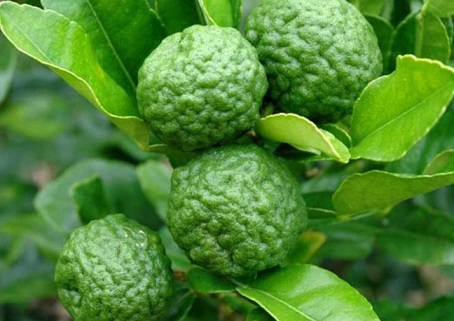 Thailand Medical Scientists Find That Phytochemicals From Leaves Of Kaffir
Lime Shows Promise in Treating Liver Fibrosis
Understanding Liver Fibrosis
Liver fibrosis occurs when the liver undergoes excessive scarring due to continuous injury. This scarring can be caused by various factors, including viral infections, alcohol abuse, and fatty liver disease. The primary cells responsible for this process are called hepatic stellate cells (HSCs). When activated, these cells produce excessive amounts of collagen, leading to the buildup of scar tissue.
The Role of TGF-β1
Transforming growth factor-beta 1 (TGF-β1) is a protein that plays a significant role in activating HSCs. When the liver is damaged, TGF-β1 levels increase, triggering a chain reaction that results in fibrosis. Targeting this pathway could potentially halt or reverse the scarring process.
The Study
A team of
Thailand Medical researchers from Srinakharinwirot University, Bangkok-Thailand, Naresuan University, Phitsanulok-Thailand, The National Center for Genetic Engineering and Biotechnology, NSTDA, Pathum Thani-Thailand along with researchers from the University of Adelaide-Australia investigated the effects of β-citronellol, a compound derived from kaffir lime leaves, on TGF-β1-stimulated HSCs. Their goal was to determine whether this natural compound could inhibit the fibrosis process.
Key Findings
The researchers conducted a series of experiments to evaluate the antifibrotic properties of β-citronellol. They treated HSCs with TGF-β1 to induce fibrosis and then exposed the cells to β-citronellol. The results were promising:
-Reduced Activation of HSCs: β-citronellol significantly reduced the activation of genes associated with fibrosis, including ACTA2, COL1A1, and TIMP1. This suggests that the compound can interfere with the signaling pathways that drive fibrosis.
-Lower MMP-9 Levels: Matrix metalloproteinase 9 (MMP-9) is an enzyme that contributes to the degradation of the extracellular matrix, facilitating fibrosis. The study found that β-citronellol treatment led to a marked reduction in MMP-9 levels, indicating a potential to curb the fibrosis process.
-Proteomic Analysis: A detailed protein analysis revealed that β-citronellol affected several key proteins involved in fibrosis. Notably, it influenced the m
itogen-activated protein kinase (MAPK) pathway, which is known to regulate various cellular processes, including cell growth and inflammation.
-Molecular Docking: To understand how β-citronellol interacts with specific proteins, the researchers used a technique called molecular docking. This analysis showed that β-citronellol binds favorably to several proteins involved in the fibrosis process, further supporting its potential as an antifibrotic agent.
Implications for Treatment
The findings suggest that β-citronellol could be developed into a new treatment for liver fibrosis. Unlike many synthetic drugs, β-citronellol is a natural compound, which may reduce the risk of side effects. Additionally, the use of a natural product aligns with the growing interest in plant-based therapies.
Next Steps
While the initial results are encouraging, further research is needed to confirm the efficacy and safety of β-citronellol in treating liver fibrosis. Future studies will likely involve animal models and eventually clinical trials in humans.
Conclusion
The discovery of β-citronellol's antifibrotic properties offers new hope for those suffering from liver fibrosis. As researchers continue to explore this compound's potential, it may pave the way for more effective and safer treatments for this debilitating condition.
The study findings were published on a preprint server and are currently being peer reviewed.
https://www.preprints.org/manuscript/202406.0645/v1
For the latest on Herbs And Phytochemicals, keep on logging to
Thailand Medical News.
Read Also:
https://www.thailandmedical.news/news/sars-cov-2-causes-ace2-downregulation-and-unique-fibrosis-that-contribute-to-long-covid-19
https://www.thailandmedical.news/news/the-advanced-non-invasive-methods-of-diagnosing-common-liver-diseases-powered-by-it-ai
https://www.thailandmedical.news/news/apigetrin-a-potential-defender-against-covid-19-complications




 Share
Share
 Tweet
Tweet
 Share
Share

































