Nikhil Prasad Fact checked by:Thailand Medical News Team Jan 03, 2026 9 months, 1 week, 2 days, 19 hours, 59 minutes ago
Medical News: As flu cases surge across many regions, public concern is rising and for good reason. Health systems are once again under pressure as influenza spreads rapidly through communities. Against this backdrop, at home flu test kits are gaining attention as a convenient first line tool to identify infection early and limit transmission. But the key question remains how reliable are these kits when accuracy truly matters.
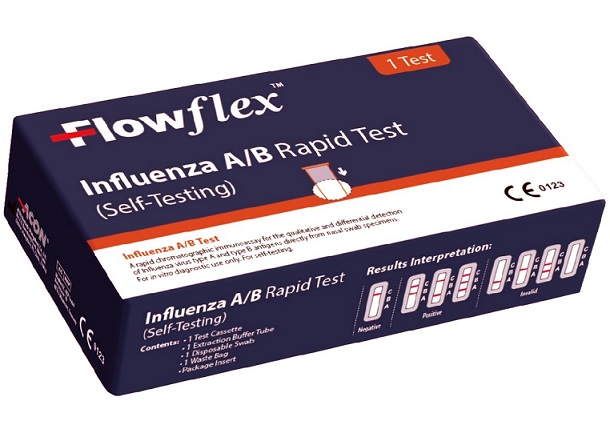 Home flu tests offer speed and convenience but accuracy depends on timing technique and follow up care
A Severe Flu Season Driven by Viral Change
Home flu tests offer speed and convenience but accuracy depends on timing technique and follow up care
A Severe Flu Season Driven by Viral Change
This flu season stands out due to the circulation of a newly evolved H3N2 influenza A variant known as subclade K. Current vaccines may not be a perfect match for this strain and concerns are growing that this strain might already be developing drug-resistance against the current flu antivirals available. Flu testing plays an increasingly important supporting role for people to self-isolate and to get the right treatment.
Rise of At Home Flu Testing
Before the COVID-19 era, flu testing was largely confined to clinics and laboratories. Regulatory approval in recent years has changed that landscape. Combined flu and COVID home tests entered the market in 2023 followed by rapid antigen versions in late 2024. These kits are now widely available in pharmacies making flu testing faster and more accessible than ever before.
Understanding Accuracy and Sensitivity
At home flu tests are antigen based meaning they detect viral proteins rather than genetic material. While easy to use and affordable they are significantly less sensitive than laboratory PCR tests.
Studies show that in children these tests detect flu infection about 50 to 80 percent of the time while in adults sensitivity often falls to 50 percent or lower.
Research published in 2022 found overall sensitivity of about 63 percent when tests were used within 72 hours of symptom onset. A more recent evaluation of combined flu COVID and RSV rapid tests showed flu detection rates closer to 54 percent. However regulatory data submitted for initial approvals demonstrated over 90 percent accuracy in identifying known flu A and B cases under controlled conditions highlighting the difference between real world use and validation settings.
Timing Is Everything
One of the most important factors influencing accuracy is timing. Viral load is highest at the very start of symptoms such as fever chills fatigue and body aches. Testing within the first one to two days provides the best chance of detecting infection. After three days viral levels decline and test performance drops sharply making late testing far less reliable.
What These Tests Can and Cannot Tell You
Home flu tests can distinguish between influenza A and B which can be useful for understanding circulating strains especially since H3N2 is a type of influenza A. However, in practical terms treatment and isolation guidance remain the same regardless of type.
Interpreting Negative Results Carefully
A negative re
sult does not always mean you do not have the flu. Improper swabbing poor timing or failure to follow instructions closely can all lead to false negatives. Retesting after 24 hours may help. If symptoms persist or worsen medical evaluation is essential as other respiratory infections including RSV pertussis and bacterial pneumonia can present similarly. This
Medical News report emphasizes that relying solely on a single home test can be risky in vulnerable individuals.
When a Positive Result Matters Most
A positive home flu test is generally reliable and should prompt early contact with a healthcare provider. Antiviral medications work best within 48 hours and early treatment can significantly reduce symptom severity and complications particularly in high-risk groups.
What the Evidence Ultimately Shows
Home flu test kits offer speed convenience and actionable information but they are not definitive diagnostic tools. Their accuracy depends heavily on timing technique and patient age. While positive results can guide early treatment and isolation decisions negative results should never override worsening symptoms or clinical judgment. Used wisely these tests can reduce spread and improve outcomes but they must be viewed as part of a broader diagnostic strategy rather than a standalone answer.
References:
https://publichealth.jmir.org/2022/2/e28268
https://onlinelibrary.wiley.com/doi/10.1002/jmv.70493
https://www.fda.gov/news-events/press-announcements/fda-authorizes-marketing-first-home-flu-and-covid-19-combination-test-outside-emergency-use
For the latest flu news keep on logging to Thailand
Medical News.
Read Also:
https://www.thailandmedical.news/articles/influenza-or-flu




 Share
Share
 Tweet
Tweet
 Share
Share