Nikhil Prasad Fact checked by:Thailand Medical News Team Jan 01, 2026 9 months, 1 week, 4 days, 12 hours, 7 minutes ago
Medical News: A Common Sleep Hormone with a Hidden Brain Role
Melatonin is widely known as the hormone that helps regulate sleep, but growing scientific evidence shows it may also protect the brain from Alzheimer’s disease. Researchers have found that this natural substance plays a much larger role in brain health than previously believed. This
Medical News report explains how melatonin may slow memory loss and reduce damage inside the brain.
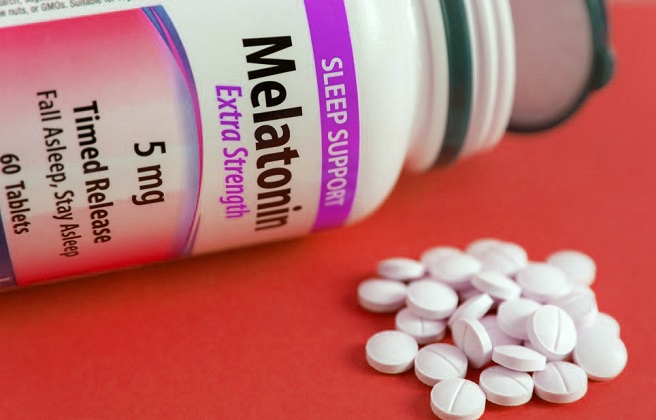 A natural sleep hormone shows strong potential to slow brain damage linked to Alzheimer’s disease
The research was conducted by scientists from the Department of Biomedical Sciences and Life Sciences, School of Science, Navrachana University in Vadodara, Gujarat, India, along with senior academic mentors from the same institution.
Why Melatonin Levels Drop in Alzheimer’s Patients
As people age, melatonin production naturally declines. In people with Alzheimer’s disease, this reduction is much more severe. Low melatonin levels are strongly linked to poor sleep, night time confusion, restlessness, and faster mental decline. Poor sleep also weakens the brain’s ability to clear waste materials, allowing harmful substances to accumulate and damage brain cells over time.
Melatonin helps control the body’s internal clock. Healthy sleep cycles allow the brain to repair itself and remove toxic proteins. When this rhythm is disrupted, brain damage progresses more rapidly.
Slowing the Build Up of Toxic Brain Proteins
One of the most important findings in the study is melatonin’s ability to reduce beta amyloid buildup. Beta amyloid forms sticky plaques that block communication between brain cells and eventually kill them. Melatonin helps reduce the production of these proteins and improves the brain’s ability to clear them away. It also protects brain cells from the most toxic amyloid forms that cause severe damage.
Protecting Brain Structure and Energy Supply
Alzheimer’s disease also damages tau proteins, which normally help maintain brain cell structure. When tau becomes abnormal, it forms tangles inside cells.
Melatonin helps slow this process by reducing enzyme overactivity and lowering oxidative stress.
The hormone also protects mitochondria, the energy producing structures inside cells. In Alzheimer’s disease, these structures fail, leading to energy loss and cell death. Melatonin helps restore mitochondrial function and supports energy production, especially in the early stages of the disease.
Reducing Inflammation and Strengthening Brain Defenses
Chronic inflammation plays a major role in Alzheimer’s progression. Overactive immune cells release harmful chemicals that worsen brain damage. Melatonin helps regulate these immune responses, shifting them toward a protective role. It also supports the blood brain barrier, which acts as a sh
ield to keep harmful substances out of the brain.
What These Findings Mean for the Future
Because melatonin works on multiple disease pathways at once, researchers believe it could be especially helpful in early or preventive stages of Alzheimer’s disease. It is affordable, widely available, and generally safe, making it a promising candidate for future treatment strategies.
Conclusion
The study shows that melatonin is far more than a sleep aid. It acts as a multi-level brain protector that reduces toxic protein buildup, lowers inflammation, preserves brain energy, supports healthy sleep cycles, and helps protect memory and thinking abilities. Early use of melatonin may help slow Alzheimer’s progression and improve quality of life, though more clinical studies are needed to confirm its full potential.
The study findings were published in the peer reviewed journal: Nutritional Psychiatry.
https://www.sciencedirect.com/science/article/pii/S3051156925000012
For the latest on Alzheimer’ Disease, keep on logging to Thailand
Medical News.
Read Also:
https://www.thailandmedical.news/articles/alzheimer,-dementia-




 Share
Share
 Tweet
Tweet
 Share
Share