Researchers Warn That H3N2 Flu Infections Can Cause Long-Term Neuroinflammation and Neurodegeneration!
Nikhil Prasad Fact checked by:Thailand Medical News Team Jan 01, 2026 9 months, 1 week, 3 hours, 39 minutes ago
Medical News: H3N2 Flu May Trigger Lasting Brain Damage
A new scientific study has revealed that infection with the common H3N2 influenza virus may have lasting effects on the brain, even after the flu symptoms have completely disappeared. While most people think of the flu as a short-term illness affecting the lungs and airways, researchers now warn that its impact may be far more serious and long lasting.
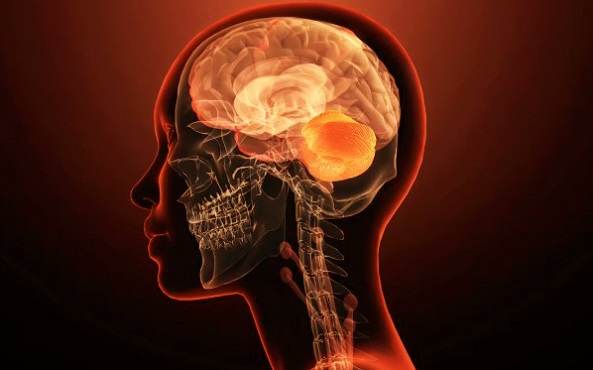 Common H3N2 flu infections may quietly fuel brain inflammation and long-term memory decline
This
Medical News report highlights findings that suggest H3N2 flu infections can trigger ongoing brain inflammation and worsen processes linked to neurodegeneration, especially conditions similar to Alzheimer’s disease.
Who Conducted the Research
The research was carried out by scientists from several respected institutions. These include the Department of Cellular Neurobiology at the Zoological Institute of TU Braunschweig in Germany, the Neuroinflammation and Neurodegeneration Group at the Helmholtz Centre for Infection Research in Germany, the Department of Infection Genetics at the Helmholtz Centre for Infection Research, the University of Veterinary Medicine Hannover in Germany, and the University of Tennessee Health Science Center in the United States.
How the Study Was Done
Researchers used a special mouse model that develops Alzheimer’s like brain changes over time. Young mice were infected with a non-neurotropic strain of H3N2 flu that stays in the body and does not directly infect brain cells. Months later, the scientists closely examined the animals’ brains, focusing on memory related regions such as the hippocampus.
Key Findings Explained Simply
The study found that even though the virus never entered the brain, it triggered long lasting activation of immune cells called microglia. These cells normally protect the brain, but when overactivated for long periods, they cause harmful inflammation. In infected mice, this chronic inflammation was stronger and lasted longer than expected.
Researchers also discovered an increase in amyloid beta plaques, sticky protein clumps linked to Alzheimer’s disease. In addition, important brain connections called synapses were lost, especially in areas responsible for learning and memory. These changes led to noticeable memory and learning problems in behavioral tests.
Importantly, the number of brain cells did not drop significantly, showing that damage can begin long before actual brain cell death occurs.
Why This Matters
These findings suggest that even common flu infections could silently speed up brain aging and cognitive decline in vulnerable individuals. The results raise concerns that repeated or severe flu infections may increase long term risks for neurodegenerative diseases.
Conclusion
The
study strongly indicates that H3N2 flu infections can cause prolonged brain inflammation, disrupt memory circuits, and worsen neurodegenerative processes long after recovery from respiratory illness.
The study findings were published in the peer reviewed journal: Frontiers in Cellular Neuroscience.
https://www.frontiersin.org/journals/cellular-neuroscience/articles/10.3389/fncel.2021.643650/full
For the latest on H3N2 Infections, keep on logging to Thailand
Medical News.
Read Also:
https://www.thailandmedical.news/articles/influenza-or-flu




 Share
Share
 Tweet
Tweet
 Share
Share