Nikhil Prasad Fact checked by:Thailand Medical News Team Dec 31, 2025 9 months, 1 week, 5 days, 19 hours, 50 minutes ago
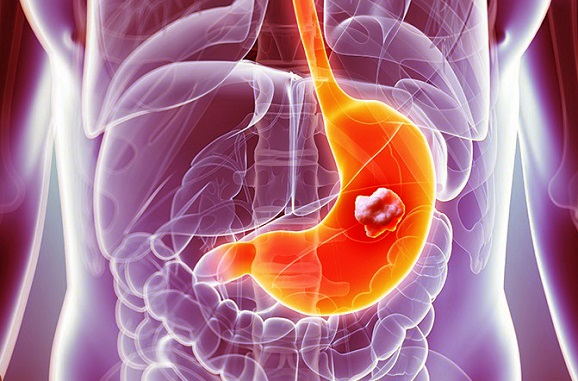
Medical News: Stomach cancer remains one of the most dangerous cancers worldwide, largely because it is often diagnosed late and because standard chemotherapy drugs can cause severe side effects while gradually losing their effectiveness. One of the biggest problems doctors face is drug resistance, where cancer cells adapt and stop responding to treatment. Scientists are now looking beyond traditional drugs and exploring natural biological compounds that may enhance cancer therapy without adding toxicity.
 Gut derived postbiotics dramatically enhance chemotherapy effects against stomach cancer cells while
protecting healthy tissue
This
Medical News report covers a new laboratory study showing how gut derived postbiotics may significantly strengthen chemotherapy effects against gastric cancer cells.
Who conducted the research?
The study was carried out by researchers from the NICM Health Research Institute and the School of Science at Western Sydney University in Australia, Sydney Pharmacy School at The University of Sydney, the Department of Pharmacology at Egyptian Russian University in Egypt, the Pharmacognosy Department at Cairo University, and the Victor Chang Cardiac Research Institute in Australia.
What postbiotics are and examples of them
Postbiotics are beneficial compounds produced when healthy gut bacteria break down dietary fiber from foods such as vegetables, fruits, legumes, and whole grains. Unlike probiotics, postbiotics are not live bacteria but the helpful substances those bacteria release. Examples of postbiotics include short chain fatty acids such as acetate, propionate, and butyrate, bacterial enzymes, bioactive peptides, lactate, indole derivatives, and microbial cell wall fragments. These compounds are known to influence immunity, inflammation, metabolism, and cell survival.
How the study was carried out
The researchers tested a combination of three postbiotics acetate, propionate and butyrate on human gastric cancer cells. They examined the effects of these compounds alone and in combination with doxorubicin, a chemotherapy drug commonly used to treat stomach cancer but associated with serious side effects and resistance.
Key findings on cancer cell destruction
The postbiotics alone reduced cancer cell growth, but the most striking results appeared when they were combined with doxorubicin. The combination almost completely stopped cancer cell proliferation and achieved stronger cancer killing than chemotherapy alone. Importantly, this effect occurred even when lower doses of doxorubicin were used.
How the combination works inside cancer cells
Detailed cellular and protein analysis showed that the combined treatment triggered massive apoptosis, a clean and controlled form of cell death. Over ninety percent of cancer cells entered apoptosis, while necrosis remained minimal. The treatment disrupted cancer cell energy systems, interfered with protein production, increased harmful
oxidative stress inside tumor cells, and shut down pathways linked to cancer growth and drug resistance.
Effects on healthy cells
A crucial finding was that normal intestinal cells suffered far less damage when postbiotics were added. Doxorubicin alone severely reduced healthy cell survival, but the postbiotic combination significantly improved cell viability. This suggests that postbiotics may reduce chemotherapy related toxicity while selectively increasing damage to cancer cells.
Conclusions
This study provides strong evidence that postbiotics such as acetate, propionate and butyrate can significantly enhance chemotherapy effectiveness while reducing harm to healthy tissues. By targeting cancer cell survival mechanisms oxidative balance and resistance pathways, this approach offers a promising and lower toxicity strategy for future stomach cancer treatment. Further animal studies and clinical trials will be necessary to confirm these benefits in patients, but the findings mark an important step toward safer and more effective cancer therapies.
The study findings were published in the peer reviewed International Journal of Molecular Sciences.
https://www.mdpi.com/1422-0067/27/1/362
For the latest on stomach cancer, keep on logging to Thailand
Medical News.
Read Also:
https://www.thailandmedical.news/articles/cancer




 Share
Share
 Tweet
Tweet
 Share
Share