Scientists Discover That the Phytochemical Cardamonin Can Slow and Reverse Idiopathic Pulmonary Fibrosis
Nikhil Prasad Fact checked by:Thailand Medical News Team Dec 26, 2025 9 months, 1 week, 2 days, 7 hours, 30 minutes ago
Medical News: Idiopathic pulmonary fibrosis is a serious lung disease that slowly turns healthy lung tissue into stiff scar tissue. This scarring makes breathing harder over time and often leads to early death. Current medicines can only slow the damage and often cause unpleasant side effects. Now, scientists from China have uncovered promising new evidence that a phytochemical called Cardamonin may help fight this condition in a completely different way.
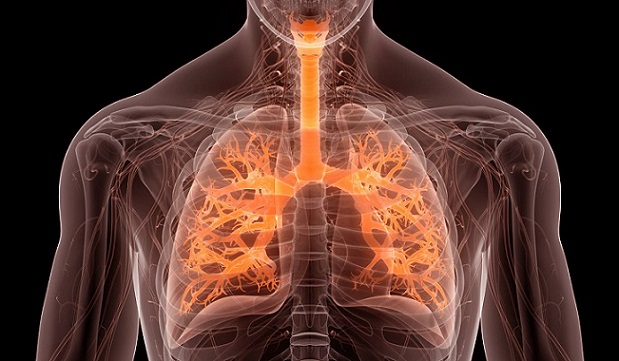 A natural compound from ginger family plants including the Alpinia Katsumadai HayataI plant, may offer new hope
in slowing lung scarring disease
This
Medical News report highlights findings from researchers at the School of Public Health at Ningxia Medical University and the Key Laboratory of Metabolic Cardiovascular Disease Research under the National Health Commission both based in Yinchuan China.
What Is Cardamonin and Why It Matters
Cardamonin is a plant-based substance (phytochemical)found in members of the ginger family that are commonly used as spices and traditional remedies. The plant, Alpinia Katsumadai HayataI is one of the richest sources of Cardamonin.
Cardamonin t has already been shown to reduce inflammation and scarring in the liver and kidneys. However, its effects on lung scarring were not clearly understood until now.
The research team used advanced computer analysis combined with laboratory testing to explore how cardamonin works against lung fibrosis at a cellular level.
How the Study Was Carried Out
The scientists first used computer-based network pharmacology and machine learning tools to scan thousands of genes linked to lung fibrosis. They identified 135 shared targets between the disease and cardamonin. Among these targets one stood out strongly called IGF1 which plays a major role in cell growth and tissue scarring.
Further computer simulations showed that cardamonin binds tightly to IGF1 suggesting it could block harmful signals. Laboratory experiments were then carried out using human lung cells damaged by bleomycin a chemical known to cause fibrosis like changes.
Key Findings Explained Simply
The study found that cardamonin protected lung cells from damage and reduced the production of scar forming proteins such as alpha smooth muscle actin and fibronectin. It also helped stop a harmful process where lung cells change their identity and become scar producing cells.
Importantly cardamonin shut down a major signaling route in the cells known as the IGF1 PI3K AKT pathway. This pathway is known to drive inflammation oxidative stress and tissue scarring. When IGF1 was added back into the cells the benefits of cardamonin were partly reversed confirming that this pathway is central to how the compound works.
Why These Results Are Important
Current lung fibrosis drugs cannot reverse scarring and often cause
side effects. Cardamonin is food derived and showed low toxicity in the lab. Its ability to target multiple disease processes at once including inflammation oxidative stress and cell transformation makes it especially attractive as a future therapy or supplement.
Study Limitations and Next Steps
The experiments were done in lung cells grown in the lab not in animals or humans. More studies are needed to confirm whether the same benefits occur in living lungs. Still the findings provide a strong scientific foundation for further research.
Conclusion
This study shows that cardamonin may slow or even counter key processes involved in lung scarring by targeting the IGF1 PI3K AKT pathway. By reducing inflammation oxidative stress and abnormal cell changes it offers a promising multi-level approach to a disease that currently has very limited treatment options. While more research is needed these results open the door to developing safer and more effective therapies based on natural compounds.
The study findings were published in the peer reviewed International Journal of Molecular Sciences.
https://www.mdpi.com/1422-0067/27/1/249
For the latest on ling fibrosis, keep on logging to Thailand
Medical News.
Read Also:
https://www.thailandmedical.news/articles/herbs-and-phytochemicals




 Share
Share
 Tweet
Tweet
 Share
Share

































