Nikhil Prasad Fact checked by:Thailand Medical News Team Feb 10, 2026 6 months, 2 weeks, 6 days, 20 hours, 27 minutes ago
Medical News: Cancer cachexia is one of the most devastating complications faced by people with cancer, yet it often remains poorly understood outside medical circles. It is not simply weight loss or poor appetite. Instead, it is a complex condition marked by relentless muscle wasting, fat loss, weakness, and exhaustion that cannot be reversed by eating more food alone. New scientific insights are now shedding light on why this happens and where future treatments may focus.
 Chronic inflammation driven by NF-κB is now seen as a central cause of muscle and weight loss in cancer patients
A Hidden Driver Behind Severe Weight Loss
Researchers have identified a powerful inflammatory pathway known as NF-κB as a central force behind cancer cachexia. This pathway acts like a biological switch that turns on inflammation-related genes throughout the body. While short bursts of inflammation are part of normal healing, long-term activation becomes destructive.
In cancer patients, tumors and immune cells continuously release inflammatory substances such as TNF-α and IL-6. These signals overstimulate NF-κB, keeping it permanently active and pushing the body into a harmful breakdown mode.
How Muscles Are Gradually Destroyed
Once activated, NF-κB directly signals muscle cells to dismantle themselves. It turns on genes that accelerate protein breakdown while simultaneously shutting down pathways that build new muscle. Over time, muscles become weaker and smaller, even if the patient is eating adequately.
The pathway also interferes with muscle repair by blocking the normal regeneration process. This explains why cachexia leads to profound weakness and why standard nutritional supplements alone rarely help.
Fat Loss and Metabolic Chaos
NF-κB does not stop at muscle tissue. It also disrupts fat stores by triggering rapid fat breakdown and forcing white fat to behave like heat-producing brown fat. This wastes energy, increases calorie burn, and worsens weight loss.
In addition, NF-κB alters how the liver, fat tissue, and muscles handle sugar and fats, leading to insulin resistance and severe metabolic imbalance. These combined effects drain the body’s energy reserves at an alarming pace.
Appetite Suppression Starts in the Brain
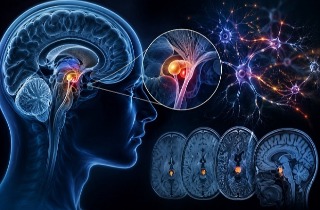
Another critical discovery is NF-κB’s role in suppressing appetite. Inflammatory signals reach the brain and activate this pathway in appetite-controlling regions. Hunger signals weaken, while signals that suppress eating grow stronger. This
Medical News report highlights how inflammation and appetite loss reinforce each other, creating a vicious cycle.
New Treatment Hopes Emerging
Because NF-κB sits at the center of these destructive processes, researchers believe it may be a promising treatment targe
t. Experimental studies show that drugs which dampen NF-κB activity can slow muscle loss, reduce inflammation, and improve strength. Anti-inflammatory medications, omega-3 fatty acids, and combined treatment approaches are also showing encouraging results.
Importantly, scientists caution that completely shutting down NF-κB could weaken the immune system. Future therapies will likely focus on carefully controlling, not eliminating, this pathway.
Conclusion
The growing body of evidence makes it clear that NF-κB is not just another inflammatory signal, but a master regulator driving muscle wasting, fat loss, appetite suppression, and metabolic breakdown in cancer cachexia. Understanding this pathway opens the door to smarter, more targeted therapies that could preserve strength, improve quality of life, and help patients better tolerate cancer treatments. With further research and carefully designed clinical trials, NF-κB-focused strategies may soon become a vital part of cachexia care.
The study involved researchers from Southeast University Affiliated Nantong First People’s Hospital, Nantong University School of Medicine, Haimen Traditional Chinese Medicine Hospital, and the Medical School of Nantong University in China.
The study findings were published in the peer reviewed journal: Cancers.
https://www.mdpi.com/2072-6694/18/4/557
For the latest cancer research, keep on logging to Thailand
Medical News.
Read Also:
https://www.thailandmedical.news/articles/cancer




 Share
Share
 Tweet
Tweet
 Share
Share