Nikhil Prasad Fact checked by:Thailand Medical News Team Dec 24, 2025 9 months, 2 weeks, 1 day, 8 hours, 32 minutes ago
Medical News: A Global Liver Threat Still Lacking a Cure
Hepatitis B virus continues to infect more than 250 million people worldwide and remains a leading cause of chronic liver disease and liver cancer. While vaccines exist, millions already infected rely on treatments that can slow the virus but rarely remove it completely. This ongoing challenge has pushed scientists to search for new ways to stop the virus at its earliest step, before it can enter liver cells and establish lifelong infection.
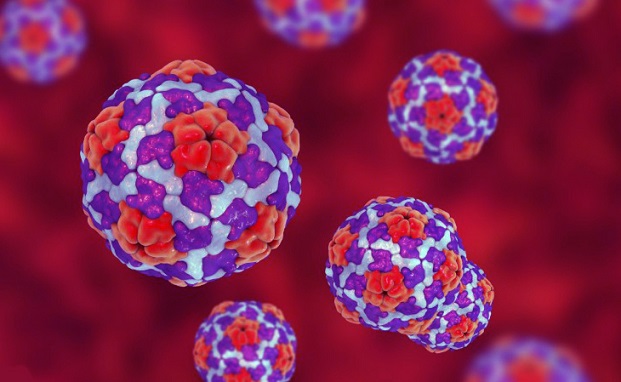 A nerve guidance protein unexpectedly emerges as a powerful new blocker of hepatitis B virus infection
A Surprising Protein Takes Center Stage
A nerve guidance protein unexpectedly emerges as a powerful new blocker of hepatitis B virus infection
A Surprising Protein Takes Center Stage
Researchers from Kanazawa University in Japan have now uncovered an unexpected defender against hepatitis B. Their focus was on Netrin 1, a naturally occurring protein best known for guiding nerve growth in the brain and helping regulate immune responses. This
Medical News report highlights how the protein also plays a powerful role in blocking hepatitis B virus entry into liver cells.
How Hepatitis B Gets Inside Cells
To infect the liver, hepatitis B first attaches loosely to sugar like structures on the surface of liver cells and then locks onto a key entry receptor. Once attached, it is pulled inside the cell, where it can begin replicating. The researchers previously identified a host protein called endothelial lipase that helps the virus latch onto liver cells, making infection easier.
How Netrin 1 Disrupts the Virus
The new study shows that Netrin 1 interferes with hepatitis B at multiple stages. First, it binds to endothelial lipase and blocks the virus from attaching to the liver cell surface. Second, it prevents key cell receptors from working together to pull the virus inside. In simple terms, Netrin 1 both pushes the virus away from the door and jams the lock so it cannot enter.
Proof From Human Cells and Animal Models
The team tested Netrin 1 in primary human liver cells and found that infection was strongly reduced. They also used specialized mice with human liver tissue, where treatment with Netrin 1 significantly lowered virus levels in the blood and liver. These results show that the protein works not just in lab dishes but also in living systems.
Why This Discovery Matters
Blocking virus entry is especially important because it may prevent the virus from forming long lasting viral reservoirs inside the liver. By stopping new cells from becoming infected, therapies based on Netrin 1 could one day complement existing treatments and move closer to a true cure.
Conclusion
This study reveals that Netrin 1 acts as a multifunctional natural blocker of hepatitis B infection by disrupting both viral attachment and internalization. By targeting host pathways rather than the virus itself, this approach may reduce resistance risks and open new directions for safer and more effective long-term treatments for chronic he
patitis B patients worldwide.
The study findings were published in the peer reviewed journal: PLOS Pathogens
https://journals.plos.org/plospathogens/article?id=10.1371/journal.ppat.1013776
For the latest on hepatitis, keep on logging to Thailand
Medical News.




 Share
Share
 Tweet
Tweet
 Share
Share