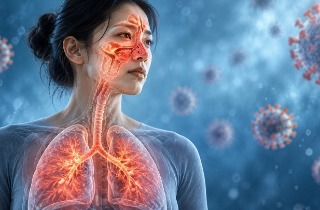
Exploring phosphatidylcholine and cognitive training as treatments for cognitive impairment after COVID-19
Charles Tee Fact checked by:Thailand Medical News Team Sep 04, 2024 2 years, 1 month, 1 week, 20 hours, 32 minutes ago
Medical News:
Understanding Post-Acute Cognitive Impairments After COVID-19
The COVID-19 pandemic has caused widespread health issues, and even after recovery, many individuals continue to suffer from long-term symptoms, collectively known as Post-acute COVID-19 Syndrome (PACS) or Post-acute COVID-19 Vaccination Syndrome (PACVS). Among the most concerning symptoms are cognitive impairments, which affect many survivors. These impairments include problems with attention, memory, and executive function, significantly impacting daily life. This
Medical News report explores a study that investigated these cognitive deficits and evaluated potential treatments, including phosphatidylcholine supplementation and computer-assisted cognitive training (CCT).
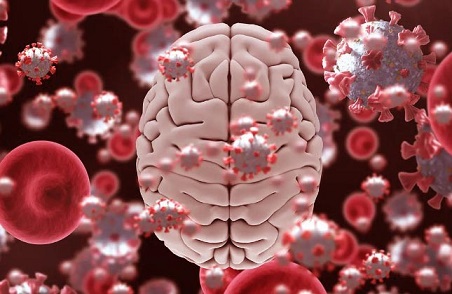 Exploring phosphatidylcholine and cognitive training as treatments for cognitive
impairment after COVID-19
The Study's Framework
Researchers from several institutions, including the Department of Neurology at the Evangelic Hospital Vienna and the Medical University of Vienna, undertook a study to assess cognitive impairments in PACS and PACVS patients. The Neuro-COVID Outpatient Clinic at Evangelic Hospital Vienna enrolled 29 patients between May and October 2023, dividing them into three groups for different therapy schemes. Group A received phosphatidylcholine alone, Group B received phosphatidylcholine plus CCT, and Group C served as the control group with no initial treatment.
The study highlights the importance of understanding cognitive impairments following COVID-19 or vaccination and the potential benefits of new treatment approaches.
Evaluating Cognitive Deficits
Cognitive impairments were assessed using the COGBAT test, which evaluates attention, memory, and executive functions. The study found that, compared to the general population, patients with PACS or PACVS exhibited significant deficits, particularly in attention. This aligns with previous studies that identified attention as one of the most affected cognitive domains in COVID-19 survivors. Additionally, memory and executive functions were also impaired, although not to the same extent as attention.
Treatment Approaches: Phosphatidylcholine and CCT
Phosphatidylcholine, a substance naturally found in the brain's cellular membranes, was chosen for its potential neuroprotective effects. It is a precursor of acetylcholine, a neurotransmitter essential for learning and memory. The study also explored the use of computer-assisted cognitive training (CCT), which aims to enhance brain function through repetitive exercises.
Findings and Outcomes
The study revealed that while all treatment groups showed cognitive improvement, the effectiveness of phosphatidylcholine and CCT was inconclusive. No significant interaction was found between the type of treatment and the improvement in cognitive performance, suggesting that the observed improvements might be due to spontaneous recovery rather
than the treatments themselves.
Despite these findings, the study did observe subjective improvements in cognitive performance reported by patients, particularly those who received both phosphatidylcholine and CCT. This suggests that while the treatments may not significantly alter cognitive outcomes, they could still offer psychological benefits or support spontaneous recovery.
Quality of Life Assessment
In addition to cognitive assessments, the study evaluated the quality of life using the WHOQOL-BREF questionnaire. The results showed that most patients were dissatisfied with their health status, particularly in the domains of physical and psychological well-being. These findings highlight the broader impact of PACS and PACVS on daily life, extending beyond cognitive impairments to overall health and quality of life.
The study also found a strong correlation between cognitive deficits and the duration of PACS or PACVS, as well as the presence of depressive symptoms. These findings emphasize the need for comprehensive care approaches that address both cognitive and psychological aspects of post-COVID conditions.
Conclusions and Future Directions
The study concludes that while phosphatidylcholine and CCT may not be effective in significantly improving cognitive deficits in PACS and PACVS patients, the possibility of spontaneous remission of these impairments offers some hope. However, more research is needed to develop effective treatment strategies for these long-term symptoms.
Given the study's limitations, including a small sample size and the lack of a double-blind design, the researchers recommend further studies with larger cohorts and longer follow-up periods. These future studies could help determine the long-term effectiveness of these treatments and explore other potential therapies for cognitive impairments in post-COVID patients.
The study findings were published in the peer-reviewed journal: Frontiers in Neurology.
https://www.frontiersin.org/journals/neurology/articles/10.3389/fneur.2024.1419134/full
For the latest COVID-19 News, keep on logging to Thailand
Medical News.
Read Also:
https://www.thailandmedical.news/news/eeg-studies-show-that-even-mild-covid-19-infections-can-affect-brain-cognitive-functions
https://www.thailandmedical.news/news/sleep-quality-s-impact-on-cognitive-recovery-post-covid-19




 Share
Share
 Tweet
Tweet
 Share
Share