New Artificial Pancreas Developed By University Of Virginia Gets US FDA Approval
Source: Thailand Medical News Jan 03, 2020 6 years, 8 months, 4 weeks, 2 days, 20 hours, 20 minutes ago
The regulatory drug and
medical device agency, the
US FDA has approved an
artificial pancreas system based on technology from the University of Virginia Center for Diabetes Technology that automatically monitors and regulates blood glucose levels.
Dr Boris Kovatchev, Ph.D., director of the UVA center told
Thailand Medical News, "We are excited that our decade-long research, which recently culminated in a large-scale clinical trial published in the
New England Journal of Medicine, has been successfully translated to the clinical practice. This is a new-generation interoperable automated glucose control system, which allows seamless integration of a continuous glucose sensor, insulin pump, and a smart control algorithm".
The new
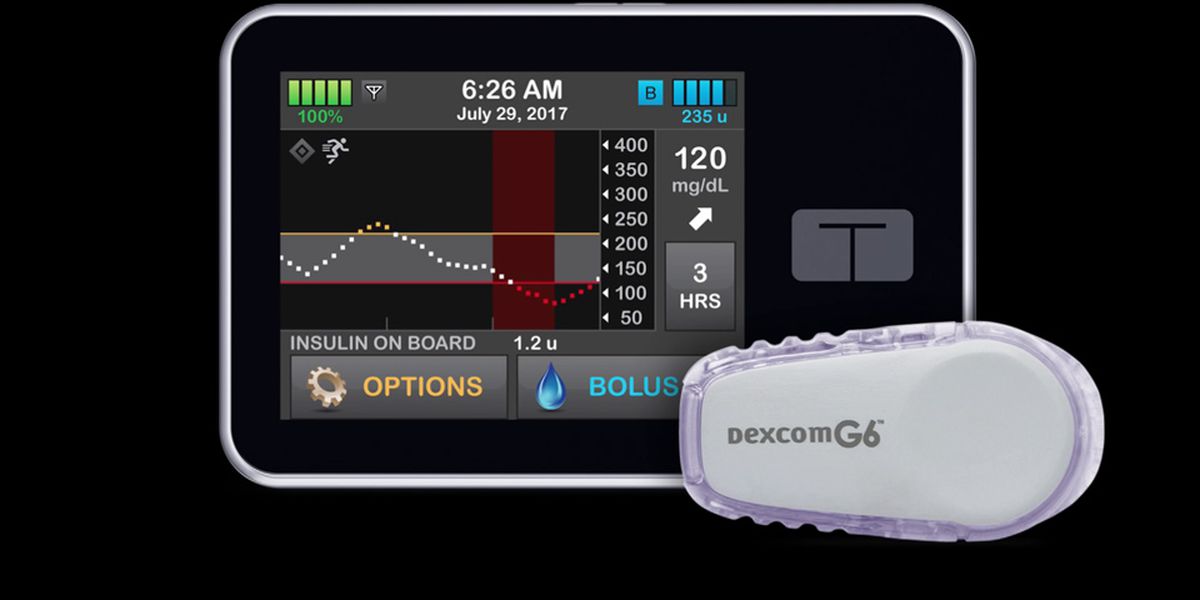
artificial pancreas system, called
Control-IQ and manufactured by Tandem
Diabetes Care, tracks blood glucose levels with a continuous glucose monitor (Dexcom G6 CGM) and automatically delivers the hormone insulin as needed. The system frees people from testing their blood sugar levels multiple times a day by fingerstick, and from delivery of insulin by multiple daily injections.
The special pump is programmed with an algorithm developed at UVA that uses glucose monitoring information to adjust the recipient's insulin dose automatically.
US FDA approval follows results from a multicenter clinical trial published in the
New England Journal of Medicine that found the new
artificial pancreas system was more effective than existing treatments at controlling blood glucose levels in people with type 1
diabetes. The study showed that the system improved blood glucose control throughout the day and overnight.
For the study, 168 participants age 14 or older with type 1
diabetes were randomly assigned to use either the
artificial pancreas system or sensor-augmented pump (SAP) therapy with a continuous glucose monitor and insulin pump that did not automatically adjust insulin throughout the day.
The medical researchers found that users of the
artificial pancreas system significantly increased the amount of time with their blood glucose levels in the target range, while the time in range in the SAP group remained unchanged over six months.
Artificial pancreas users also showed improvements in several
diabetes control measures, including time with high and low blood glucose, compared with the SAP group. During the study, no severe hypoglycemia events occurred in either group. Diabetic ketoacidosis, in which the blood becomes too acidic, occurred in one participant in the
artificial pancreas group due to a problem with equipment that delivers insulin from the pump.
Dr Kovatchev thanked the numerous people and groups that have supported the development of t
he
artificial pancreas system, including Paul and Diane Manning of Charlottesville; the Frederick Banting Foundation of Richmond; the JDRF's Artificial Pancreas Project; the UVA Strategic Investment Fund Project No. 88; and the National Institutes of Health and the National Institute of
Diabetes and Digestive and Kidney Diseases.
UVA endocrinologist Dr Sue Brown, MD, the lead investigator of the clinical trial that tested
Control-IQ commented, "We are thankful to everyone that supported the development of the
artificial pancreas," "
Artificial pancreas systems can help people with type 1
diabetes improve blood-sugar control while also making it easier for them to manage their blood-sugar levels."
Reference: Six-Month Randomized, Multicenter Trial of Closed-Loop Control in Type 1 Diabetes
Sue A. Brown, M.D., Boris P. Kovatchev, Ph.D., Dan Raghinaru, M.S., John W. Lum, M.S.,
Bruce A. Buckingham, M.D., Yogish C. Kudva, M.D., Lori M. Laffel, M.D., M.P.H., Carol J. Levy, M.D., Jordan E. Pinsker, M.D., R. Paul Wadwa, M.D., Eyal Dassau, Ph.D., Francis J. Doyle, III, Ph.D., et al., N Engl J Med 2019; 381:1707-1717, DOI: 10.1056/NEJMoa1907863