Danger of HIV patients increasing Heart Failure rates by using Protease inhibitors
Source: Massachusetts General Hospital, Boston Aug 08, 2018 8 years, 1 month, 3 days, 23 hours, 5 minutes ago
Raza M. Alvi, M.D., from Massachusetts General Hospital in Boston, and colleagues compared characteristics, cardiac structure, and outcomes in 394 persons with HIV and
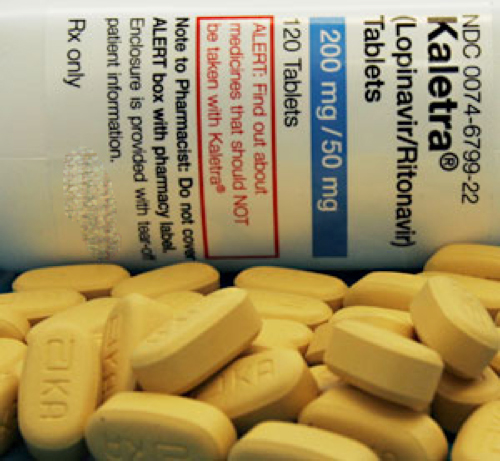
heart failure who were receiving PI (145 patients) versus non-PI (NPI; 249 patients) therapy. PI-based antiretroviral therapy contained boosted-dose ritonavir.
Ritonavir-boosted protease inhibitor (PI) therapy is associated with worse outcomes, including death, in patients with HIV and heart failure, according to a study published in the July 31 issue of the
Journal of the American College of Cardiology.
The researchers found that patients who were receiving a PI had higher rates of hyperlipidemia,
diabetes mellitus, and
coronary artery disease (CAD); higher pulmonary artery systolic pressure (PASP); and lower left ventricular ejection fraction. Over the follow-up period, PI use was associated with increased cardiovascular mortality and 30-day heart failure readmission for all heart failure types. Cardiovascular mortality was predicted by PI use, CAD, PASP, and immunosuppression. Overall, PIs were associated with a two-fold increased risk of
cardiovascular mortality.
"Further research is needed to determine whether PI-based regimens, either individual regimens or as a class effect, contribute pathophysiologically to processes leading to worse outcomes in
heart failure (e.g., myocardial fat and fibrosis) and whether these findings can be replicated in prospective cohorts," the authors write.