Source: Thailand Medical News Aug 17, 2019 7 years, 1 month, 2 weeks, 2 days, 20 hours, 30 minutes ago
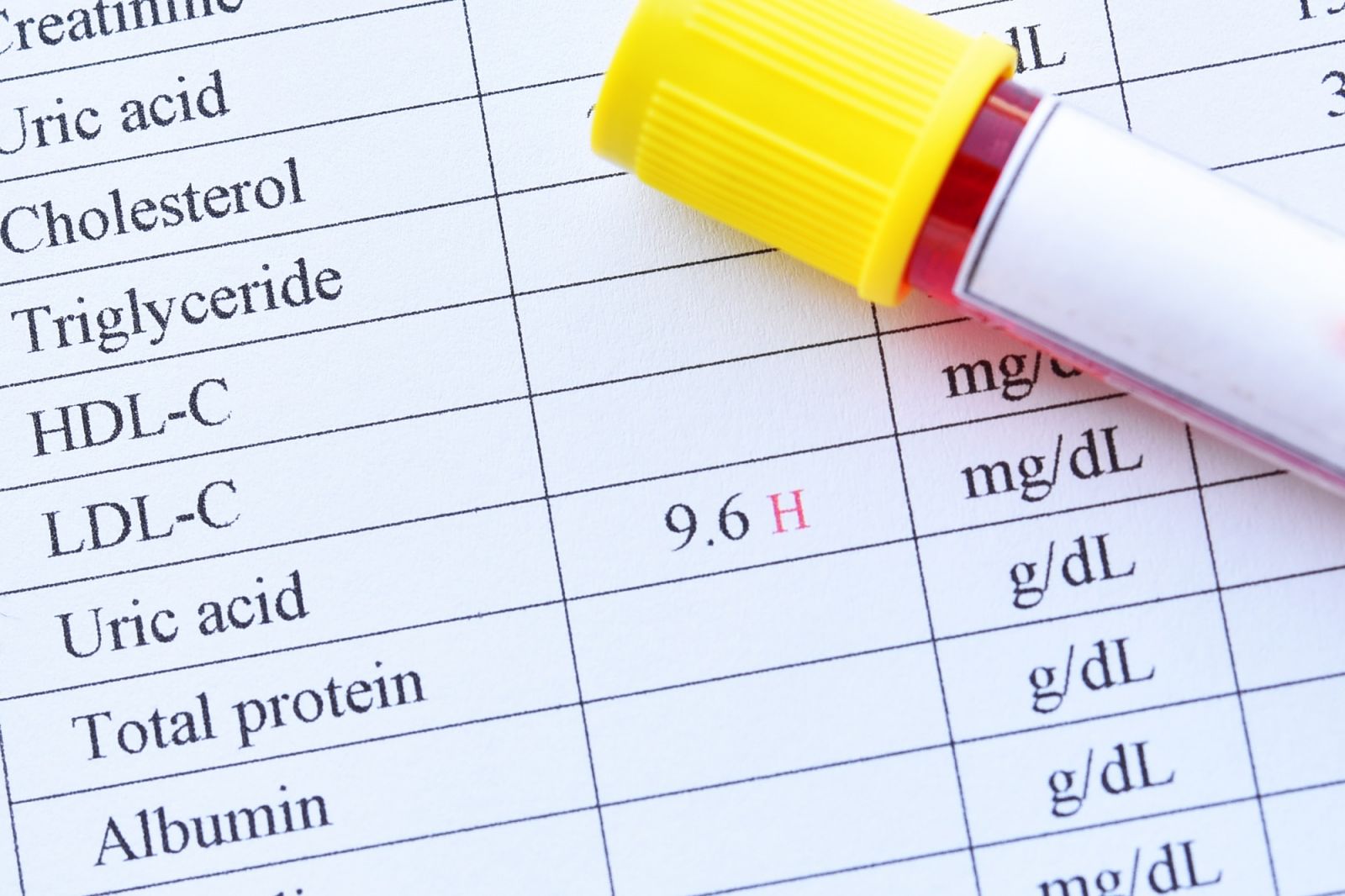
A new study shows that Medical Doctors have not been paying sufficient attention to blood uric acid levels and perhaps they should, considering that about 20 percent or more of the global population have elevated levels of uric acid in their blood. Few people ever get their blood uric acid levels measured and in most routine blood tests for glucose and cholesterol, doctors and hospitals never even have it ordered in order to cut costs or reduce the patients ’bills.
Uric acid is a byproduct of metabolism especially in diets rich in purines. Foods with high content of purines include liver, anchovies, mackerel, dried beans and peas, and beer. Elevated levels of uric acid increases an individual’s risk for gout, kidney stones, metabolic syndrome, obesity, diabetes and early death.
Professor Dr Pankaj Kapahi, lead researcher from the Buck Institute for Research on Aging in California commented in an interview with Thailand Medical News, “People can be at genetic risk for high uric acid and not know it. Uric acid should be included in routine check-ups similar to those done for cholesterol and blood glucose. Uric acid levels often go up with age. “
Gout one of the results of elevated uric acid is also associated with premature mortality in humans. Conversely, studies from the Institute for Aging Research led by Professor Dr Nir Barzilai at the Albert Einstein College of Medicine show that many centenarians are genetically predisposed to having low levels of uric acid.
Humans lost the gene for metabolizing uric acid about 15 million years ago, thru the evolutionary process, however most species, including insects, kept it.
In the study, researcher "humanized" fruit flies by knocking down the uric acid oxidase gene. The mutated flies built up uric acid in their bodies only when triggered by a diet rich in purines, but showed no deleterious effect under dietary restriction. In humans, a high-purine diet is linked to excessive intake of alcohol and red meat. Sugary beverages are driving factors for the built up of uric acid.
The researchers discovered that the insulin-like signaling (ILS) pathway, which most animal species use to sense nutrients, plays a role in regulating uric acid levels. Suppressing the ILS pathway lowered uric acid in the genetically altered animals, providing potential targets for new drug development.
Additionally, the conserved role of the ILS pathway in modulating uric acid levels was supported by a human gene study which identified variations in two ILS genes associated with serum uric acid levels or gout, the most common inflammatory arthritis.
The research, found that a high-purine diet shortened the lifespan of the humanized flies by 48 percent, while suppressing the ILS pathway prevented the rise in uric acid levels even when the flies ate the high yeast diet. The team also found that an increase of free radicals generated by an enzyme called NADPH oxidase (NOX) mediated kidney stone formation and early mortality in the flies.
The researchers were able to inhibit the increase in free radicals using the common antioxidant vitamin C which reduced the burden of kidney stones and improved survival in the animals.
Dr Marshall Stoller, MD, head of the urinary stone division, Department of Urology at the University of California, and co-author commented, &qu
ot;Changes in diet are not always sufficient to bring down levels of uric acid, so it is important to constantly monitor it and make sure that patients who need preventive drug treatment get it."
References: Sven Lang et al. A conserved role of the insulin-like signaling pathway in uric acid pathologies revealed in Drosophila melanogaster, (2018). DOI: 10.1101/387779
Sven Lang et al, A conserved role of the insulin-like signaling pathway in diet-dependent uric acid pathologies in Drosophila melanogaster, PLOS Genetics (2019). DOI: 10.1371/journal.pgen.1008318